Behind the scenes: how I spend a day in freelance PR
Today’s blog post is a behind the scenes in day working in freelance PR. If you’ve ever wondered what PR actually involves (whether you’re looking to do it for your own business or are perhaps a blogger/ freelancer looking to get into the industry yourself), this blog post will give you insight into how PR actually works as a freelancer.
So what is PR? PR is a catch-all term for getting a brand media coverage-whether that’s a podcast slot or a feature in a newspaper. When we think of PR, we think of glamorous agencies with huge budgets, lunches, and launch events but that’s not the reality for many small businesses. Many might do PR for themselves or in-house or use a freelancer- like me!
At the moment, many businesses are turning to freelance PR-especially if they have smaller budgets or want to work with someone 121 who can really get to know them and their story(all of the feedback I’ve got from current clients is about how they value having one person to work with consistently.)
If this is something you’re interested in, I’m running a free masterclass next week for those interested in getting into freelance PR but I thought I’d share what the average day looks like in this line of work.
Let’s dive into a behind-the-scenes day as a freelance PR…
Morning: monitoring media coverage and press callouts
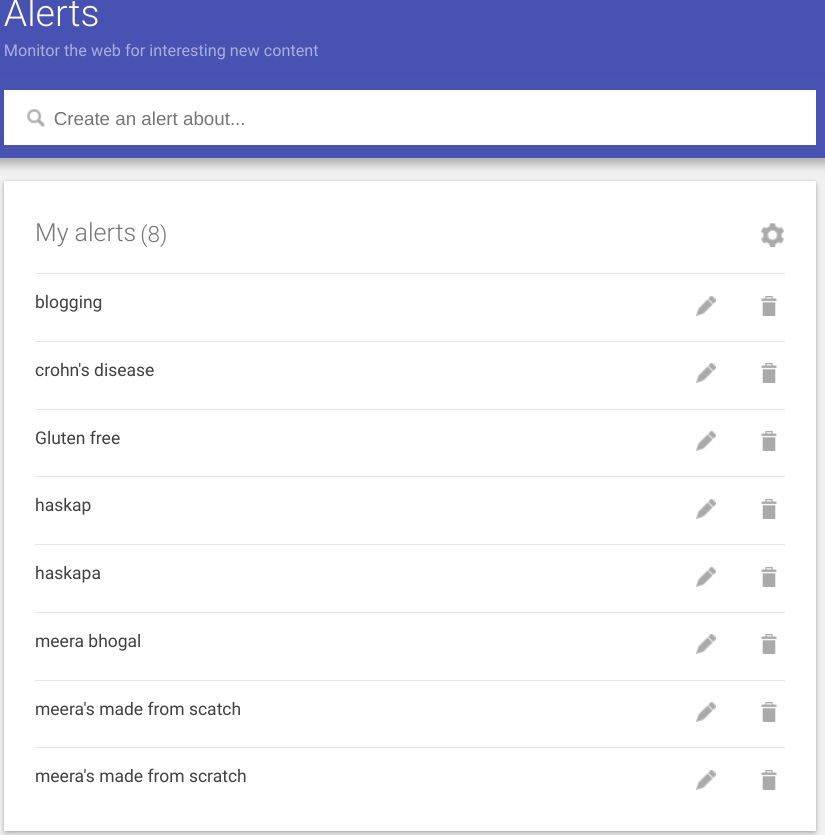
One of the first things I do each day is media coverage monitoring and checking for press callouts. I use google alerts to monitor any digital coverage that may have come overnight (it’s free to set up) and also search the Readly app for any print coverage.
I also use a press outreach spreadsheet to keep me organised so I will review this to see if I need to chase any potential coverage or samples.
It also reminds me which magazines to flick through just in case we’re mentioned! Whilst some journalists update you, this isn’t guaranteed so in this job you do have to be proactive to see if you’ve received coverage for clients.
if you have lots of clients, you can consider investing in media monitoring services which can do this kind of things for you like Gorkana and Vuelio, but it is still worth doing this manually sometimes as coverage can be missed!
Since a lot of the media moves quickly, I then check press callouts hourly-if you are looking to work in freelance PR then being able to move quickly to respond is key; which means no day is the same.
I always check the #journorequest hashtag on twitter at around 930am (to give journalists a chance to post first thing) and then my emails-I use various press request services such as Response Source and Editorelle which send press requests direct to your inbox. These are great for specific requests and I find the success rate much higher than reaching out cold. A really important skill for doing freelance PR is to be organised and keep on top of potential leads.
Ellevenses: Time to email.
I always do the media monitoring and press callout first thing because they are more timely.
Once those are sorted, it’s time to pitch. A big part of PR is actually lots of emails-they can quickly build up so keeping on top of them really important. I try to reach out to a variety of different media on behalf of clients to introduce them-such as pitching as podcast guest; pitching as a guest contributor to a smaller magazine or pitching a product review. You need to send a lot of emails to get results in PR and you need to track these-you can use your own systems or even just a simple tracking spreadsheet. Either way, I always record: the publication; date; the topic I pitched and the email.

Afternoon:
Once the initial press emails are done, it is time to think about more long-term strategy. A great skill to have if you’re thinking about going into PR is being able to think creatively about different story angles that could get your client coverage-for example, one of my clients was in The Telegraph talking about how lockdown had impacted her business. A lot of people just start with one thing: e.g. a product review but being open minded about press coverage is great.
One of the reasons why many businesses want to hire a freelancer or VA to do their PR is because they can really get to know them and their story-so being able to regular communicate with and understand the clients story is key. So part of the initial process in working PR is chatting to your client to find those stories and understand what they’re okay with sharing in the media.
I always try to brainstorm different types of stories (such as being a case study or a product feature) and potential angles. I do spend part of my day actually reading and listening to different forms of media so I can get a feel for what works for them and what pitches are likely to be accepted.
End of the Day
At the end of each day, I update the press tracking sheet so I’ve got record of every pitch sent. I will also email client updates-if they’ve been featured, I suggest ways to maximise coverage for their brand, such as promoting on social media or setting up an exclusive discount code.
Want to start offering freelance PR services?
Have you read this and feel like you’d like to offer freelance PR services to your existing or future clients? On Wednesday 25th May, I’m sharing a FREE masterclass for virtual assistants and other service professionals who want to upskill in PR-so they can offer this is a service and charge between £200-500 a day to help get their clients press coverage.
We’ll cover…
-What is PR and why do your clients need support with it?
-The kinds of PR services you can offer your clients.
-The VA skills you already have that make you perfectly suited to offer PR services.
-How to get started in upskilling in PR.
If you are a business who has an existing VA, you may also want to send them to this free training so they can learn about how they can support you with PR.
–