Everything you need to know about getting your tax return done on time.
I originally blogged about this in 2018 but have updated this post for 2020 since many things have changed!
Confession time: I’ve actually filed my taxes this year on time! But with the self-assessment deadline of the 31st January fast upon us, if you haven’t started then you need to. In 2017, 33,000 people filed their return in the final hour, while a staggering 840,000 people missed the deadline altogether. If it’s late, HMRC delivers a straight £100 fine in this case; with even more penalties if it continues to be missed.
Do I need to file a tax return as a blogger?
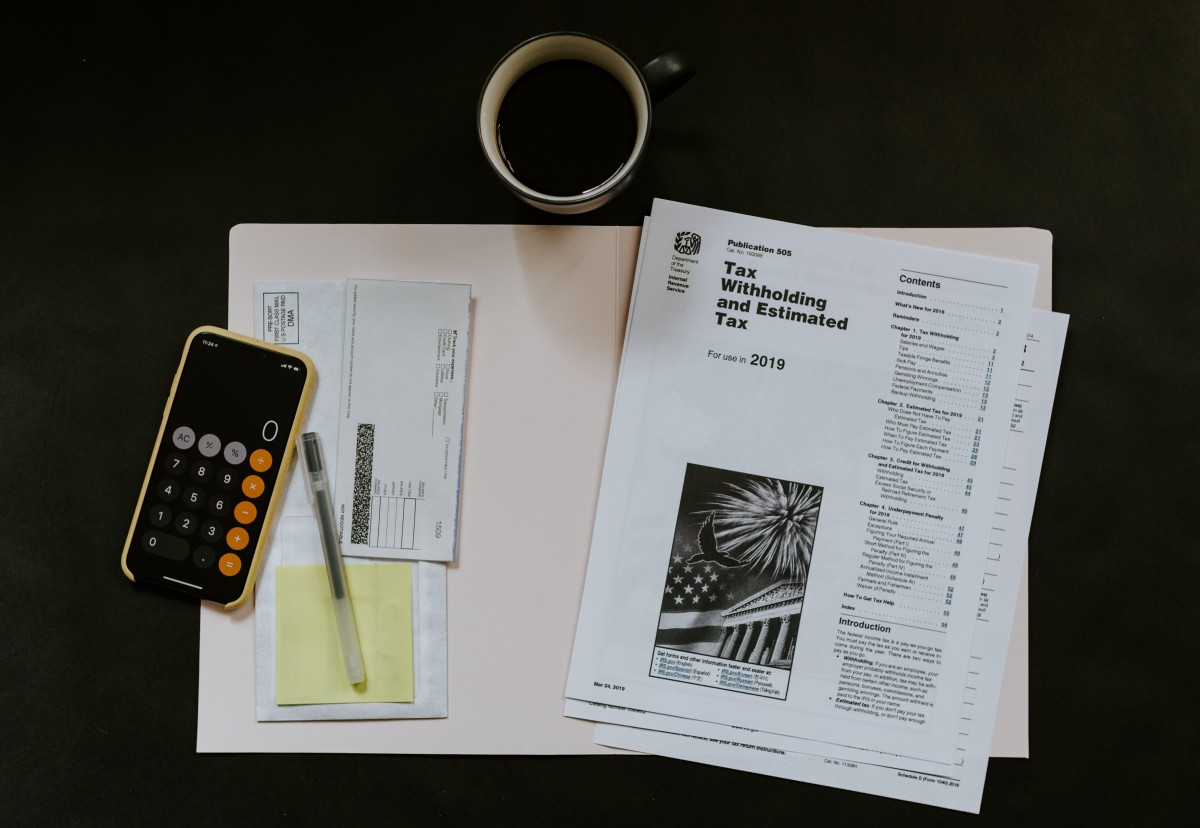
This month’s deadline relates to April 2018-April 2019, so if you earnt money during this period then yes. If you’ve earnt money from April 2019, you can still register here, but your return won’t be due yet and you do get a bit of a grace period to register, it doesn’t have to be the second you start trading. The exception is if you have earned under a thousand pounds from your blog (this is income not income minus expenses). HMRC state that sole traders have a thousand-pound tax-free allowance, so if you have earnt under this amount you don’t currently need to declare it (source here but always check!).
How to track your taxes as a blogger
There’s a few software companies that can do this but you can also create a simple spreadsheet too. Because I switched banks, my new bank wasn’t compatible with the last software I was using; so I actually decided to just create my own spreadsheet-with info on incoming money and outgoings that I type into from Paypal and my bank statements. I have a notes tab where I write where the invoice/receipt is for each item (so many things I don’t have paper receipts for but might have bank statements or a bill through the website if it’s a regular payment like Canva). I personally find it much easier to type this in the notes rather than to attempt to put it all one place. As long as you can follow your system that’s all that matters! I keep paper receipts in a folder but also take photos of them and just dump them on my laptop.
As to whether to hire an accountant, I used one last year and would recommend one if it’s your first year. I personally found one most valuable in answering all those niggling questions I was googling. You might then find it is a lot more straightforward the following year if your circumstances and earnings are similar. You can, of course, claim an accountant as an expense too!
What can I claim as expenses?
I am not a financial advisor do run this past an accountant or do your own research.
–Everything to run your site: hosting fees, editing software, stock images, Facebook Boosts, etc.
–Any ebooks or e-courses you’ve bought to help grow your blog-even my Pitching Toolkit counts! Tip-go back through your Amazon orders- you can easily download receipts and you’d be surprised how many blogging books you may have purchased over the year! (or is that just me?) In a similar vein, I also include magazines (if it’s magazines I’ve purchased for research, for helping me pitch as a journalist or for publications I’ve been featured in). However, courses need to be to help you brush up on your existing skills as a blogger and can’t include courses and books you used to set-up as a blogger in the first place. (to clarify HMRC states that courses for career changes can’t be expensed, but a course to enhance and develop your career can be)
–Equipment purchased (even if purchased before April 2018) to get your blog up and running-e.g buying the domain, buying a laptop or camera. This is a great site for learning more about claiming pre-trade.
–A rate for working from home. Even if you just work weekends on your blog, you can claim a simplified rate of a set monthly rate, more here. Now I work from home full time, I personally now calculate the more complicated rate (this is when you calculate a proportion of your rent, council tax, and other bills). This is more complicated but means you can claim for a proportion of your bills if you work from home all the time and therefore can usually claim for more expenses. I use this infographic to guide me and run it all past my accountant.
–A percentage of your phone bills (you’ll need to decide on a rate of which you use this for blogging and be able to justify it) if you use your phone for social media, blogging and chatting with PRs.
–Travel to events and tickets for things like blogger events. You can claim mileage even if you don’t have receipts (just keep a log of journeys and always make a note of what the journey was for.)
Do gifted items count as income and can I expense things I buy for my blog?
There are many grey areas in blogging which is why an accountant can be helpful. When in doubt, the phrase ‘wholly and exclusively for your business’ should be applied which is what I always stand by. For example, some bloggers claim tickets for things they’ve reviewed (e.g. they’ve done a vlog on a safari park and therefore the tickets have become a business expense needed for the review). I have always personally not understood this. It would make sense to me if it was for a sponsored post, e.g. you’d need to buy the tickets in order to create paid content; therefore it would be an expense needed to make money you’d profit from. However, I feel if it was just a trip off your own back then I’m not sure where we’d draw the line? (would I claim my ‘weekly food shop Instagram post or a youtube haul etc) And I’m not convinced it would count as ‘wholly and exclusive either).
Another question I see asked a lot is if you have specifically been gifted an item in lieu of payment, does it count as income? This another area where the blogging community is mixed. I have seen some blogging networks argue that it the item is needed for the review, hence it becomes a ‘tool’ and not a payment. Whilst others argue it is a payment in kind. For example, if you are in agreement with a brand to write one blog post in exchange for £100 worth of clothes, it would make sense that the clothes are acting in the same way as cash. However, if you are gifted items or sent ‘blogger mail’ without any formal arrangement or promised coverage, then it would make more sense that this was just a gift. I know people have rung the HMRC helpline and been told different things too-it’s such a new area that I think even HMRC are confused. Therefore, it could be worth keeping a note of everything and using yours and your accountant’s judgment.
A warning about payment on accounts
If your tax bill is over a thousand pounds, you’ll pay ‘payment on account.’ This was my first year doing this and it’s a bit gutting, to be honest. How it works is you’ll pay your tax bill AND 50% of the following years too (it anticipates it’ll be the same amount next year). Then in July, you pay the other 50%. When next January rolls around, you’ll match the actual tax bill to the upfront payments you’ve made and then either pay more or receive back accordingly. You’ll then pay 50% of the following year’s tax bill. The first year is a bit painful but it does mean you are only paying 50% at one time in the years to come.
I hope this guide has been useful and if you haven’t paid already-good luck!